English Grammar Made Simple
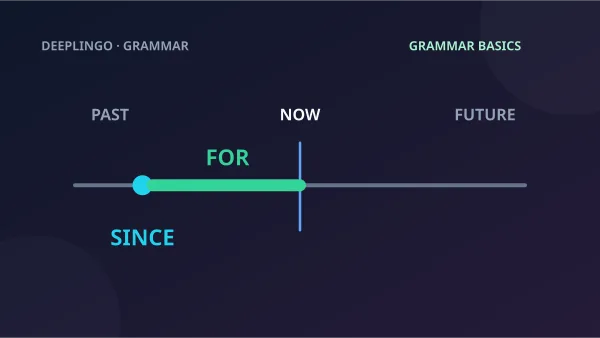
Since and For: Rules, Examples and Practice
Learn when to use since and for with clear timelines, everyday examples and 12 practice questions with explained answers.
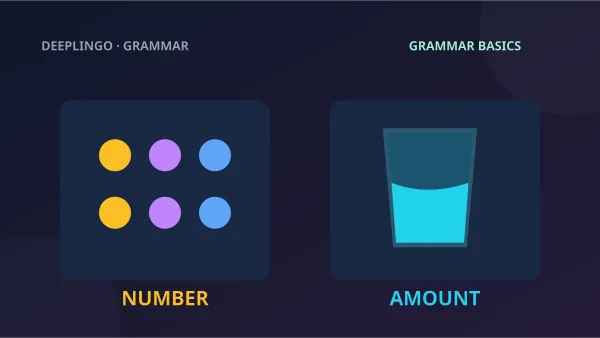
Much vs Many: Rules, Examples and Practice
Choose much or many using countable and uncountable nouns. Practise with 12 questions and an explained answer key.
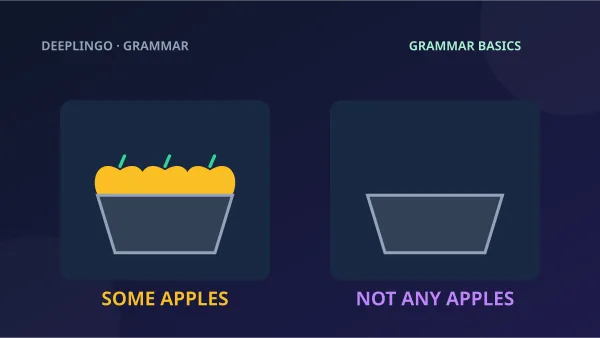
Some and Any: Rules, Exceptions and Practice
Understand some and any in statements, negatives, questions, offers and requests, with 12 practice items and explained answers.
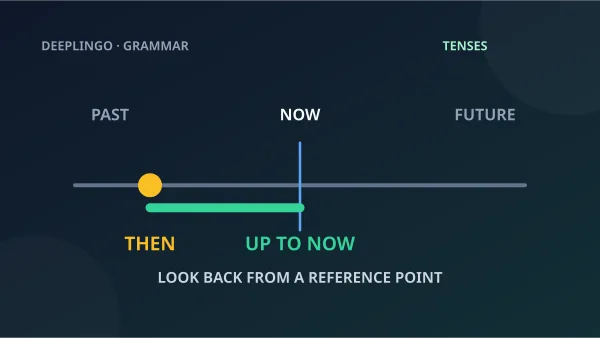
Present Perfect vs Past Simple: Examples and Practice
Choose between finished past events and time connected to now, with contextual examples and 12 explained practice answers.
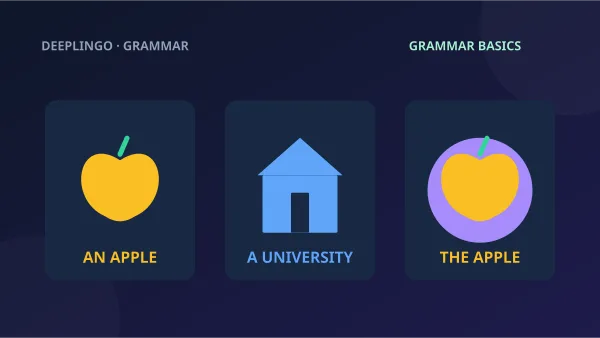
A, An and The: Exercises with Explained Answers
Practise English articles with 12 contextual questions covering vowel sounds, specific reference and zero article.
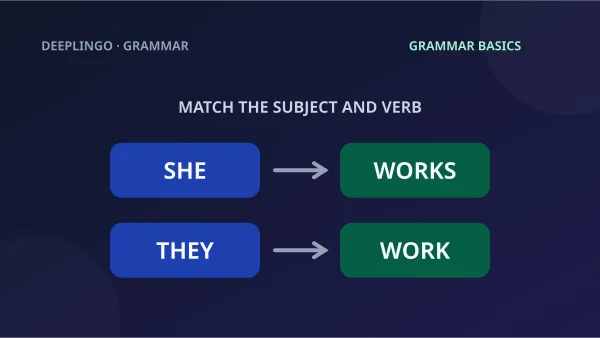
Subject–Verb Agreement Exercises with Answers
Practise subject–verb agreement with 12 questions on singular subjects, pronouns, intervening phrases and common irregular forms.
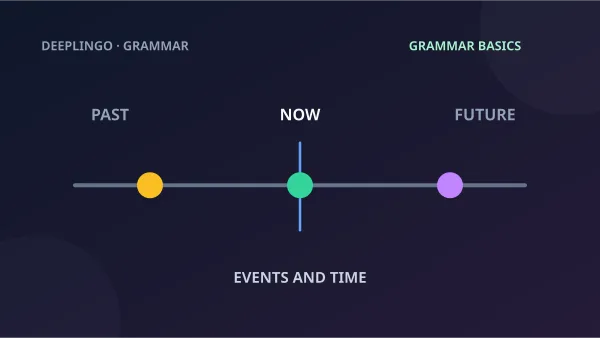
English Tenses Exercises with Explained Answers
Practise present, past and future tenses with 10 contextual questions and a clear explanation for every answer.
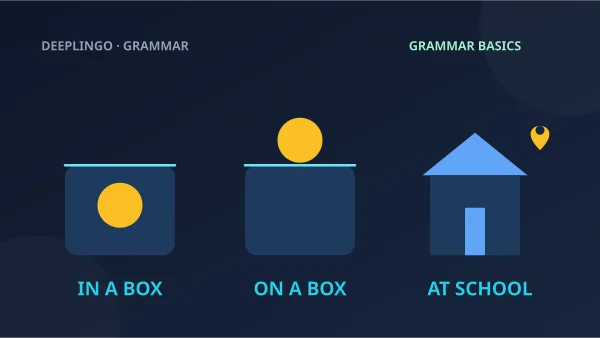
Prepositions In, On and At: Exercises with Answers
Practise in, on and at for time and place with 10 contextual questions and explained answers.
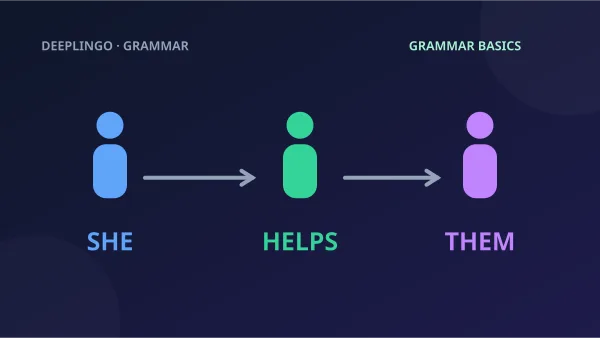
Pronouns Exercises with Explained Answers
Practise subject, object and possessive pronouns with 10 contextual questions and explained answers.
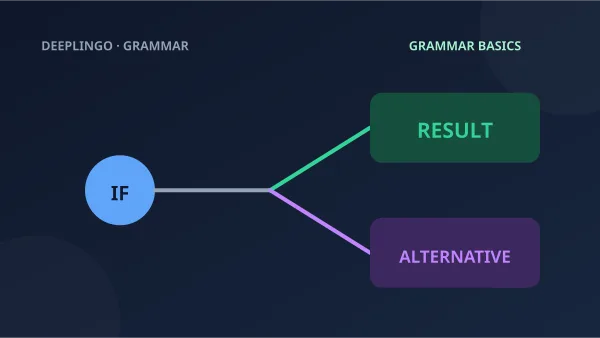
Conditionals Exercises with Explained Answers
Practise zero, first, second and third conditionals with 10 contextual questions and explained answers.
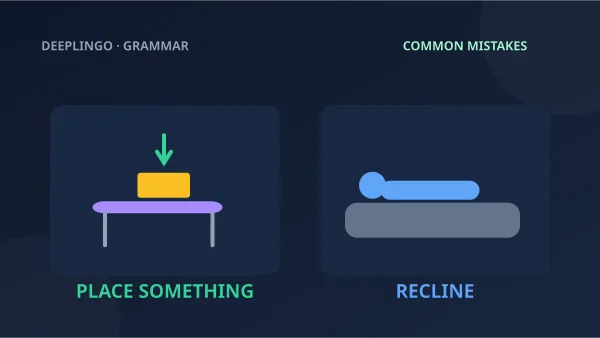
Lay vs Lie: Finally Understand the Difference
Master the tricky difference between lay and lie. Learn the past tenses, when to use each, and never confuse them again.
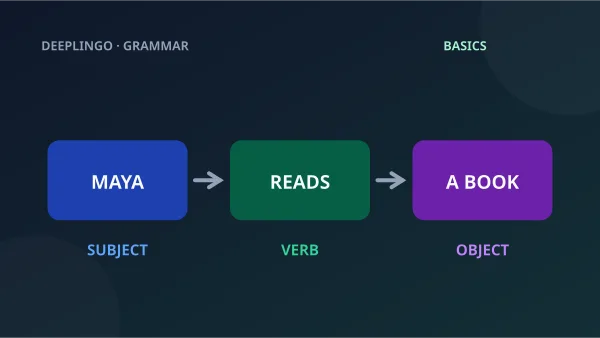
Parts of a Sentence: Subject, Verb, Object Explained Simply
Learn the basic building blocks of English sentences. Understand what makes a complete sentence with easy examples.
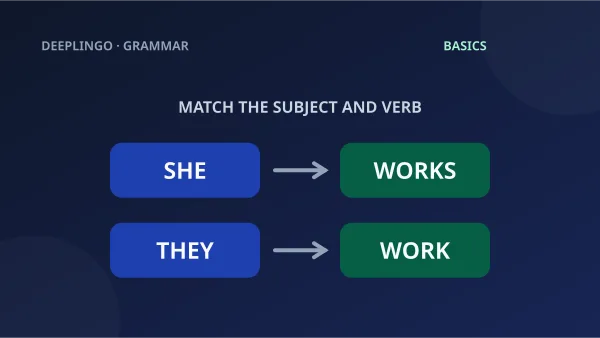
Subject and Verb Connection: The Heart of Every Sentence
Understand why every English sentence needs a verb. Fix common mistakes like 'I happy' and 'She teacher'.
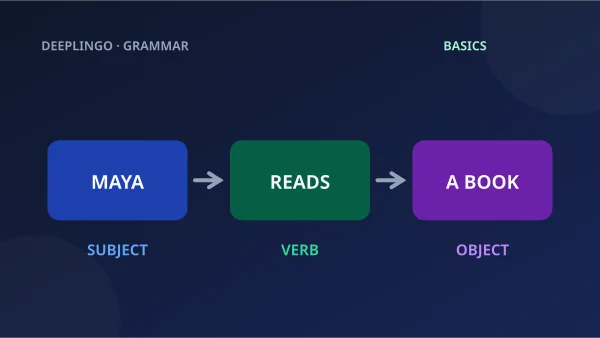
English Word Order: Put Words in the Right Place
Learn why word order matters in English. Avoid confusing sentences by following the correct Subject-Verb-Object pattern.
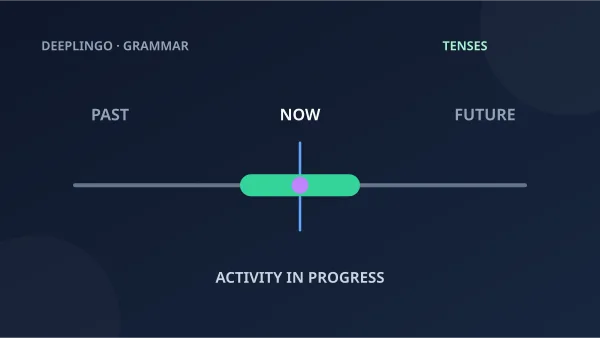
Present Continuous Tense: Actions Happening Right Now
Master the Present Continuous tense to describe what's happening at this moment. Simple explanations with lots of examples.

Action Verbs vs State Verbs: What's the Difference?
Learn the difference between verbs that show actions (run, eat) and verbs that show feelings or thoughts (like, know).
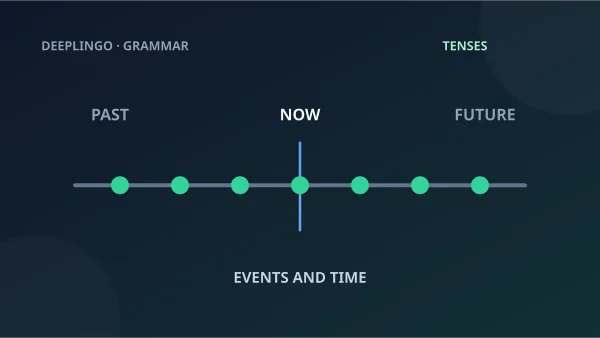
Present Simple Tense: A Complete Guide for Beginners
Learn when and how to use the Present Simple tense with clear examples. Perfect for everyday habits, facts, and routines.
English Question Words: What, When, Where, Why, How Explained
Learn the 5 most important question words in English. Simple explanations with many examples for beginners.
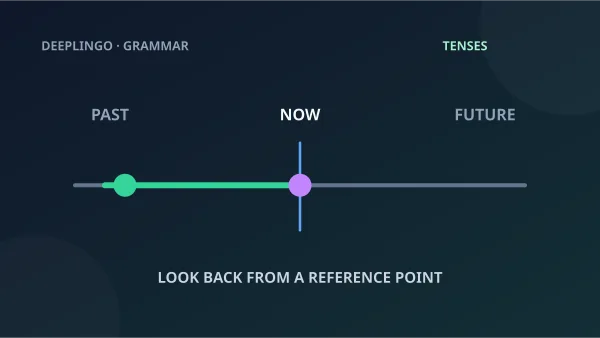
Present Perfect Tense: Connecting Past to Present
Understand how to use the Present Perfect tense to talk about past actions that affect the present. Clear rules and examples.
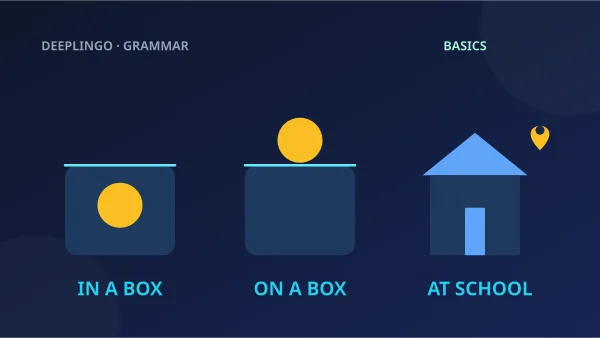
Small English Words That Change the Meaning
Learn how tiny words like 'a', 'the', 'in', 'on', 'at' completely change what a sentence means. Simple examples for beginners.
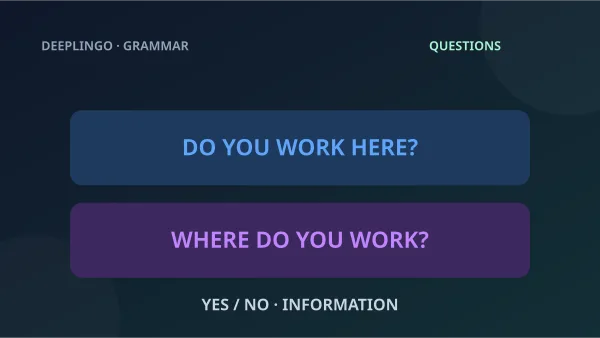
Wh-Questions and Yes/No Questions in English
Learn the difference between Wh-questions and Yes/No questions. Simple rules and many examples to master English questions.
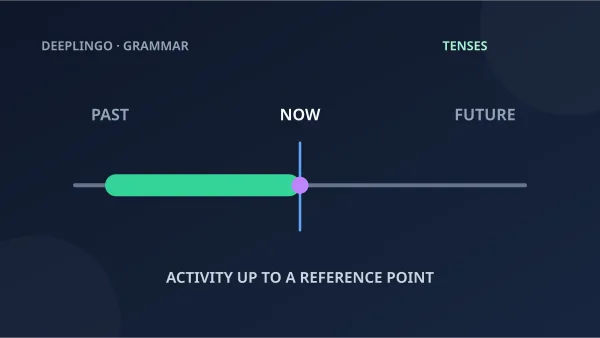
Present Perfect Continuous: Actions Continuing Until Now
Learn how to express actions that started in the past and are still happening. Perfect for describing duration and recent activities.
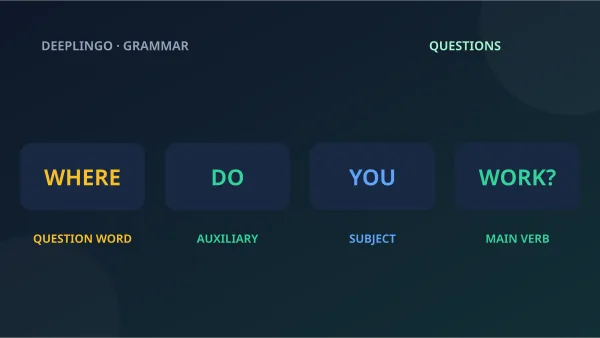
Correct Word Order in English Questions
Master the correct word order for forming questions in English. Avoid common mistakes with clear rules and examples.
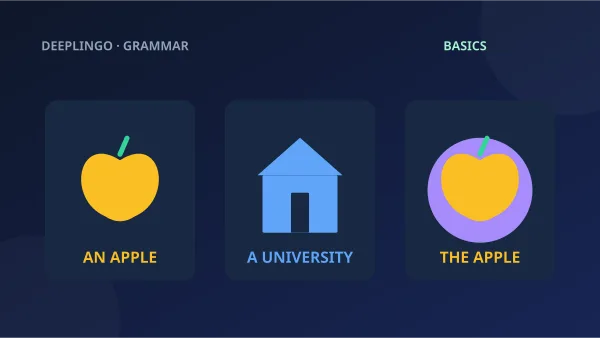
Articles Made Easy: When to Use A, An, and The
Master the use of articles in English with simple rules and plenty of examples.
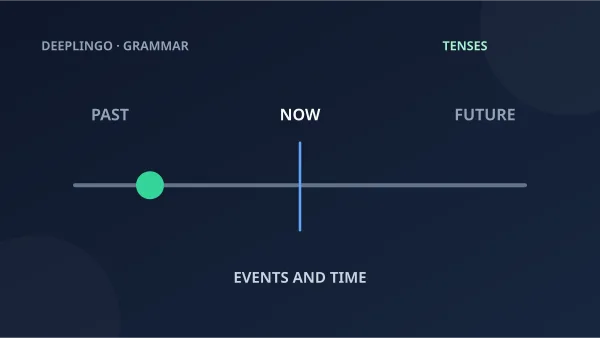
Past Simple Tense: Talking About Finished Actions
Learn how to describe completed actions in the past. Master regular and irregular verbs with easy examples.
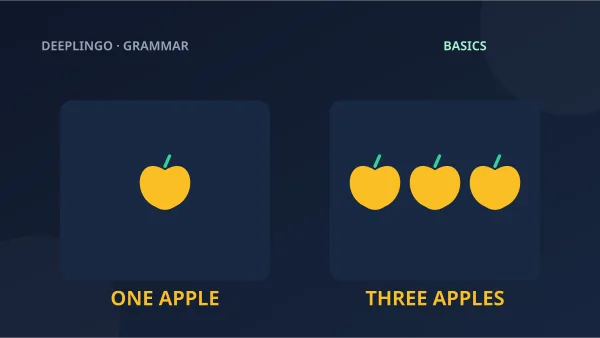
Singular and Plural Nouns: Complete Guide with Examples
Learn how to form plural nouns correctly, including regular and irregular forms.
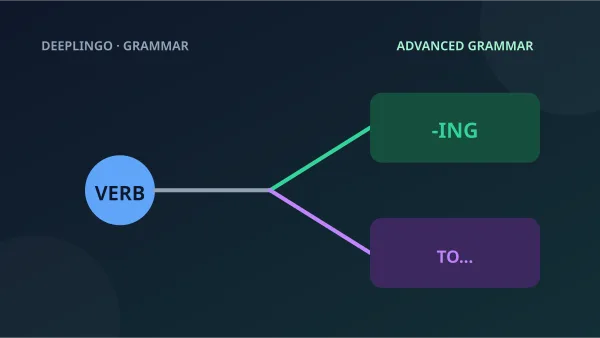
Gerunds vs Infinitives: When to Use -ing or 'to'
Confused about when to use gerunds (-ing) or infinitives (to + verb)? This guide explains the rules with common verb patterns.
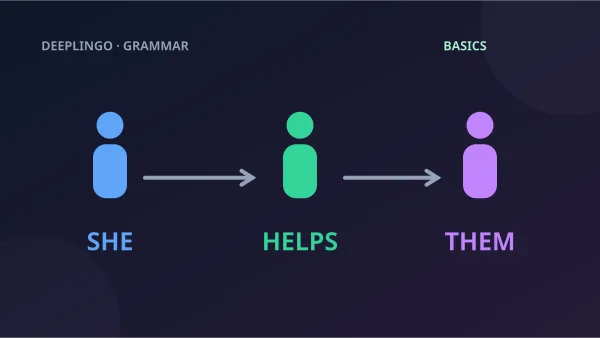
Personal Pronouns Explained: I, You, He, She, It, We, They
Learn all about personal pronouns and how to use them correctly in sentences.
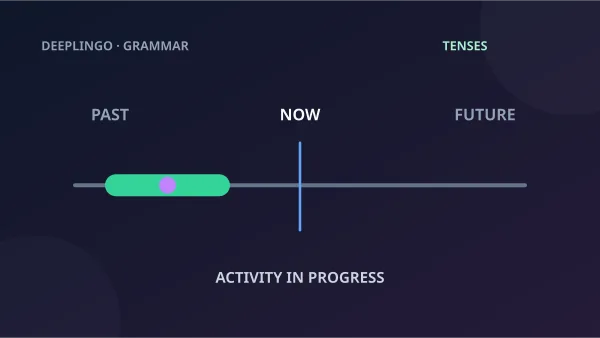
Past Continuous Tense: Actions in Progress in the Past
Learn how to describe what was happening at a specific moment in the past. Great for storytelling and setting scenes.
10 Common Grammar Mistakes and How to Avoid Them
Stop making these frequent errors that even native speakers get wrong. Learn the correct usage with memorable tips.
15 Commonly Misspelled Words and How to Remember Them
Master the spelling of tricky English words with memory tricks and practice.
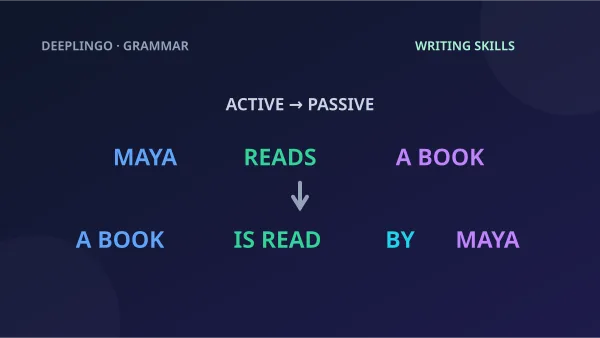
Active vs Passive Voice: When to Use Each
Understand the difference between active and passive voice, and learn when each is appropriate for clearer communication.
Common Punctuation Mistakes and How to Fix Them
Learn the correct use of commas, apostrophes, and other punctuation marks.
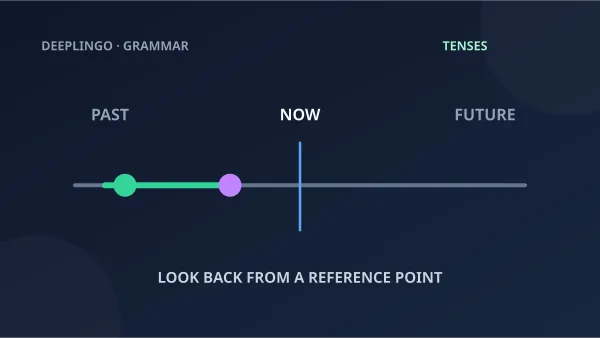
Past Perfect Tense: The Past Before the Past
Master the Past Perfect tense to talk about actions that happened before another past event. Essential for storytelling.
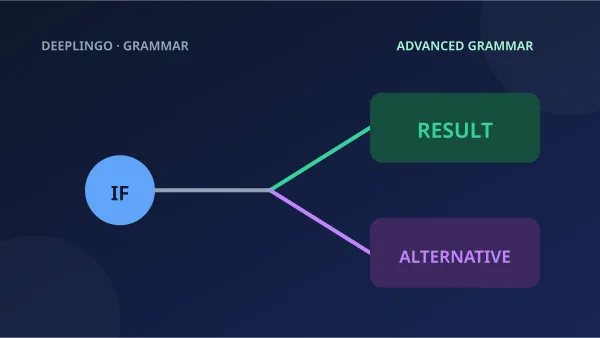
Mastering Conditional Sentences: Zero to Third
Learn all four types of conditional sentences with real-world examples. Perfect for expressing possibilities and hypotheticals.
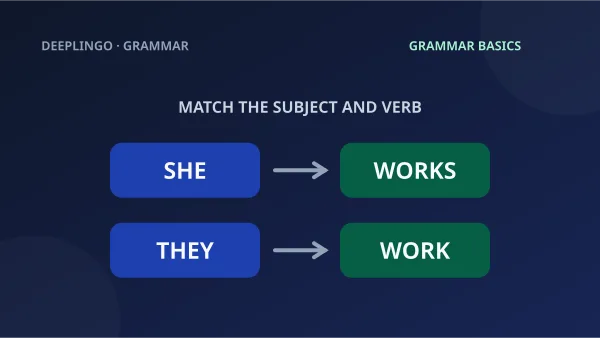
Subject-Verb Agreement: Rules That Make Sense
Master the essential rules of subject-verb agreement. Learn when to use singular vs plural verbs with clear examples.
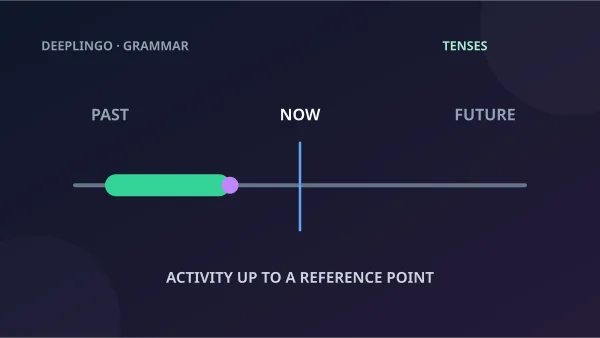
Past Perfect Continuous: Duration Before a Past Event
Learn how to describe actions that were ongoing for some time before another past event. Perfect for explaining causes and duration.
Direct and Indirect Speech: Complete Guide
Learn how to report what someone said using direct and indirect speech. Master the tense changes and reporting verbs.
Affect vs Effect: The Ultimate Guide to Never Confuse Them Again
Learn the difference between affect and effect with simple rules and examples. Master one of the most commonly confused word pairs in English.
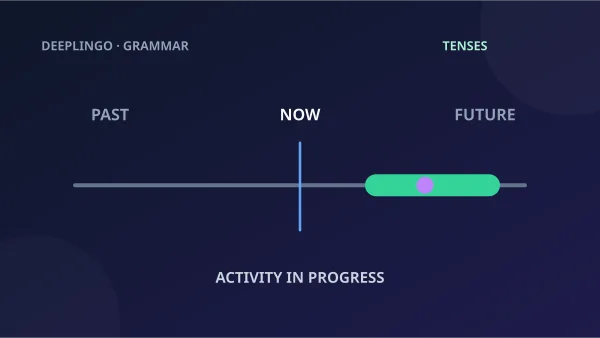
Future Continuous Tense: Actions in Progress in the Future
Learn to describe what will be happening at a specific time in the future. Perfect for describing future scenes and parallel activities.
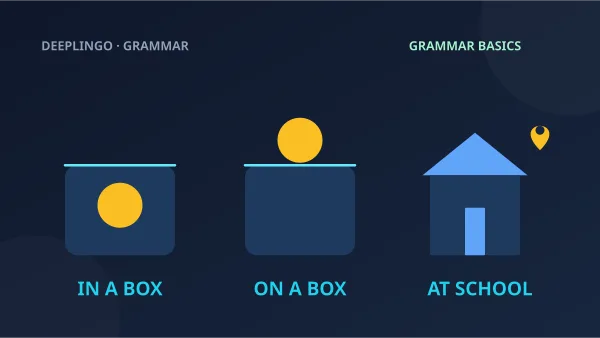
Prepositions Made Easy: In, On, At, and Beyond
Struggling with prepositions? This comprehensive guide breaks down when and how to use the most confusing prepositions.
Countable vs Uncountable Nouns: The Complete Guide
Understand the difference between countable and uncountable nouns. Learn which quantifiers to use with each type.
Future Simple Tense: Talking About Tomorrow
Learn how to make predictions, promises, and talk about future plans using 'will'. Simple and essential for everyday English.
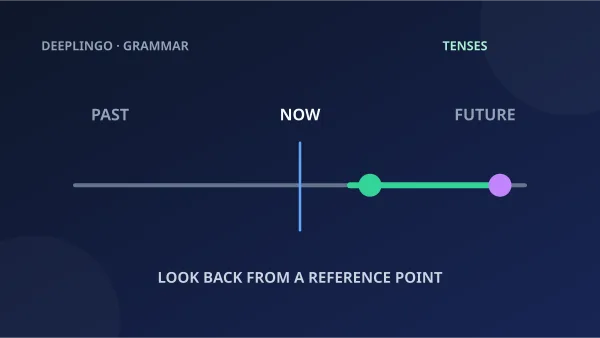
Future Perfect Tense: Completed Actions by a Future Time
Master the Future Perfect tense to talk about actions that will be finished before a specific future moment.
Modal Verbs: Can, Could, Should, Would & More
Master modal verbs to express ability, possibility, permission, and obligation. Clear explanations with practical examples.
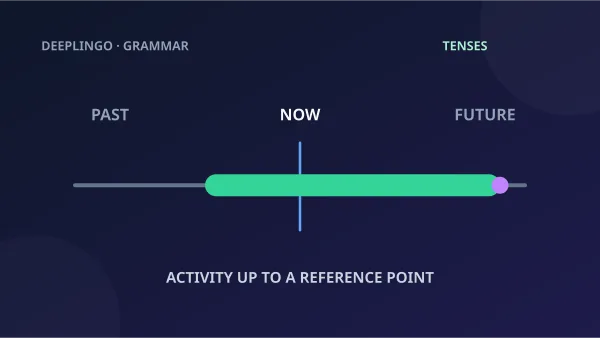
Future Perfect Continuous: Duration Up to a Future Point
Learn the Future Perfect Continuous tense to express how long something will have been happening by a future time.
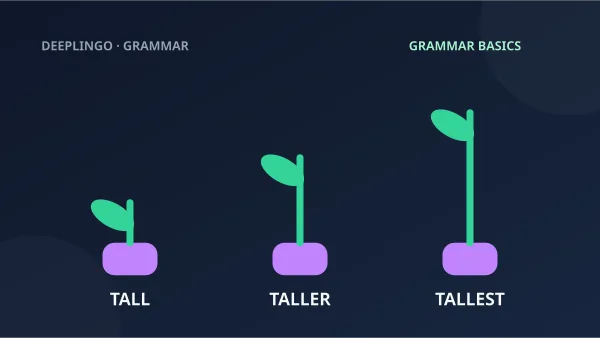
Comparatives and Superlatives: Making Comparisons
Learn how to compare things in English using comparative and superlative adjectives. Master the rules for -er, -est, more, and most.
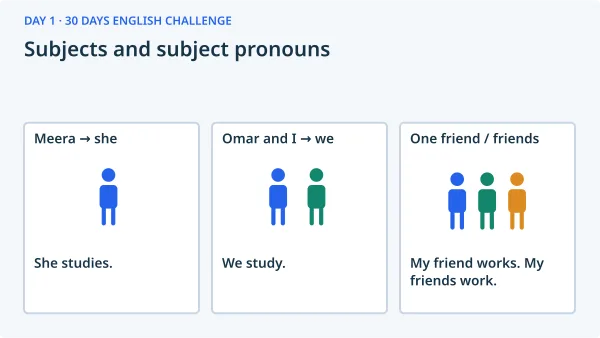
Day 1
Subject Pronouns: Build Clear English Sentences
Introduce people and describe their everyday activities without repeating every name.
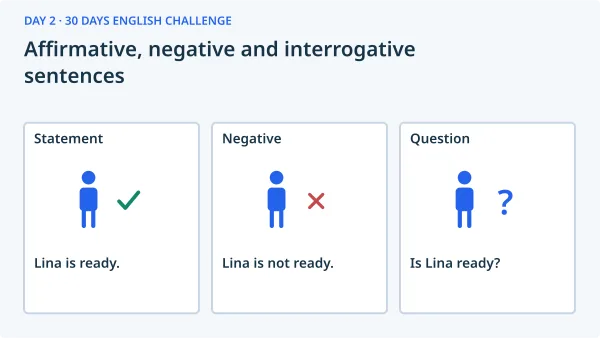
Day 2
Positive, Negative and Question Forms in English
Tell someone what happens, say what does not happen and check the same information.
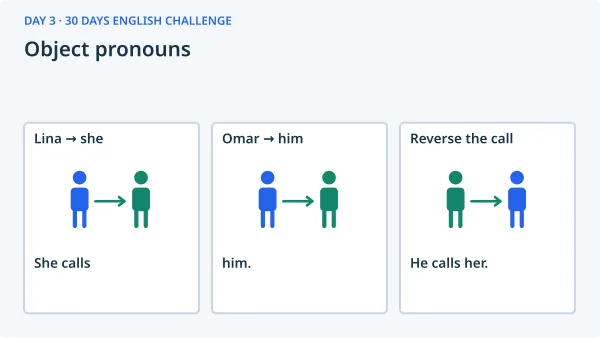
Day 3
Object Pronouns: When to Use Me, Him, Her and Them
Describe who receives an action and who a message, gift or invitation is for.
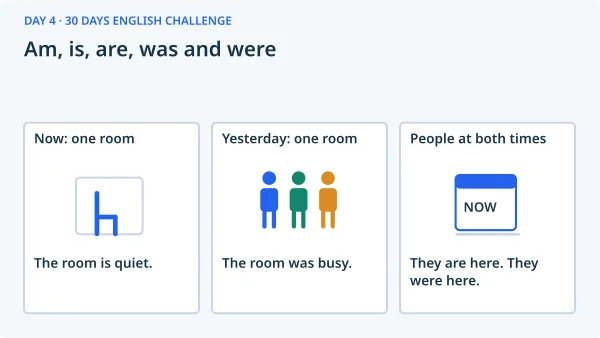
Day 4
Am, Is, Are, Was and Were: Choose the Right Form
Describe people, places and actions now and at a past moment.
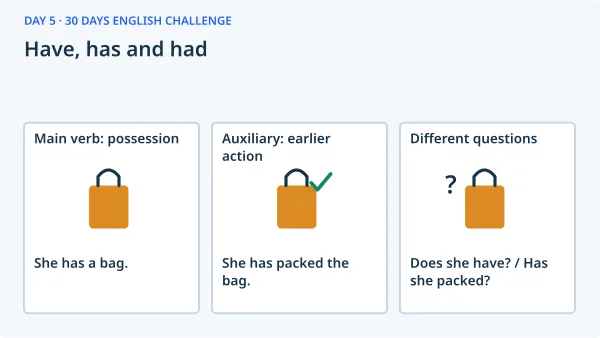
Day 5
Have, Has and Had: Simple Rules and Everyday Examples
Talk about possessions and experiences while choosing the correct question pattern.
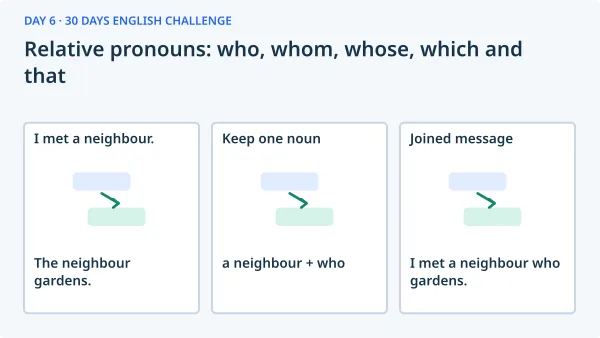
Day 6
Relative Pronouns: Connect Ideas with Who, Which and That
Join short messages so a listener knows which person or thing you mean.
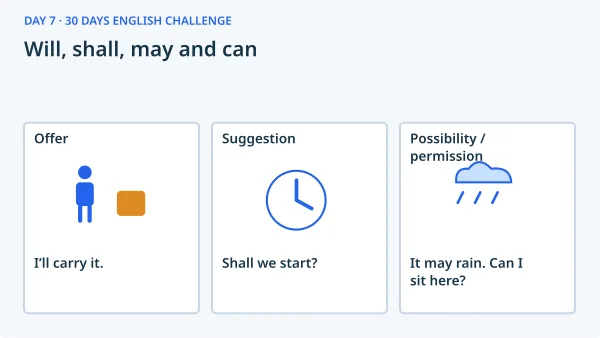
Day 7
Will, Shall, May and Can: Ability, Offers and Permission
Make an offer, discuss a possibility and ask for permission naturally.
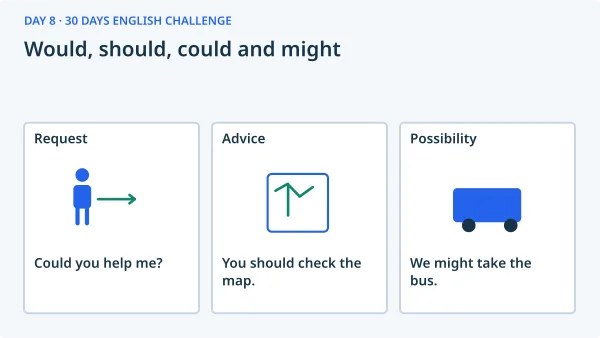
Day 8
Would, Should, Could and Might: Uses and Examples
Ask politely, offer useful advice and discuss an uncertain possibility.
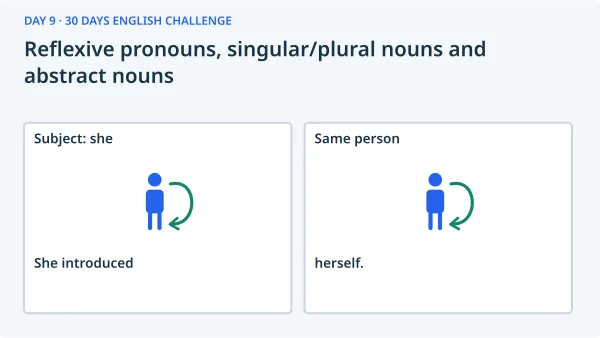
Day 9
Reflexive Pronouns and Nouns: A Practical Guide
Describe actions you do yourself, count familiar things and talk about qualities or ideas.
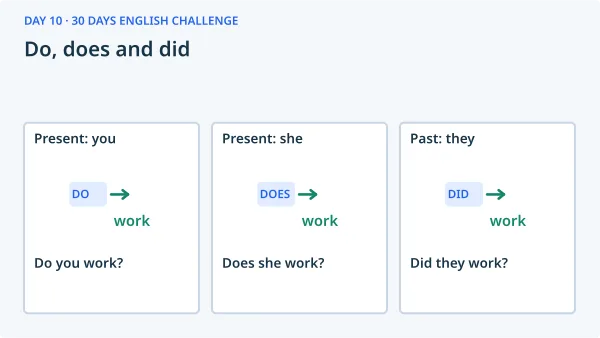
Day 10
Do, Does and Did: Ask Questions and Make Negatives
Ask about routines and past events without adding an extra ending to the main verb.
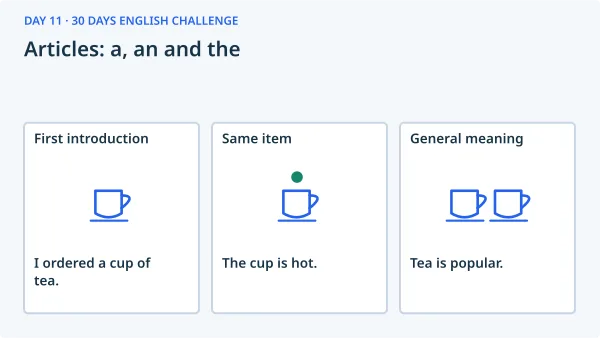
Day 11
A, An and The: Choose the Right English Article
Introduce an item, identify it later and avoid unnecessary articles.
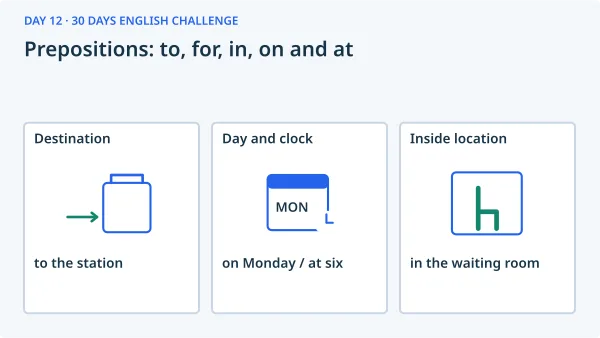
Day 12
To, For, In, On and At: Everyday Prepositions
Explain a destination, a purpose and a familiar time or place.
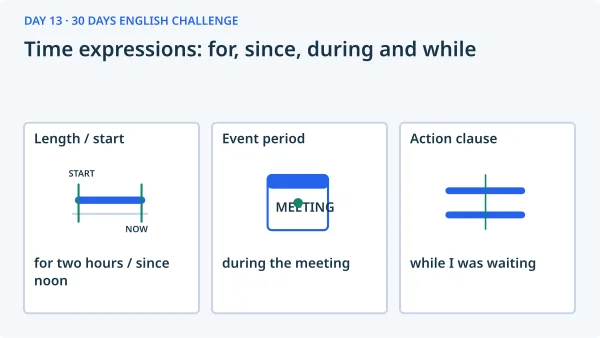
Day 13
For, Since, During and While: Say When and How Long
Explain how long something lasts, when it started and what happened alongside it.
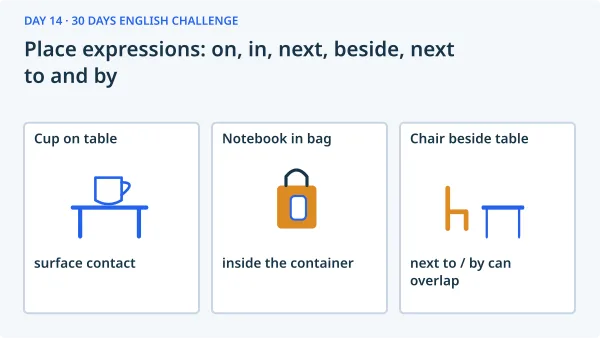
Day 14
Prepositions of Place: In, On, Beside and Next To
Give clear directions around one room without confusing sequence and position.
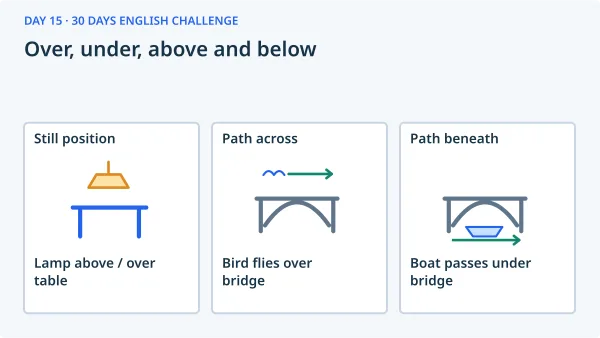
Day 15
Over, Under, Above and Below: Position and Movement
Describe where things are and how they move above, below, over or under other things.
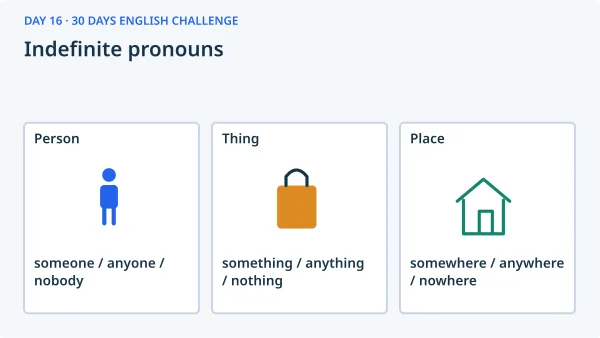
Day 16
Indefinite Pronouns: Someone, Anyone, Everyone and Nobody
Talk about people, places and things without naming every one.
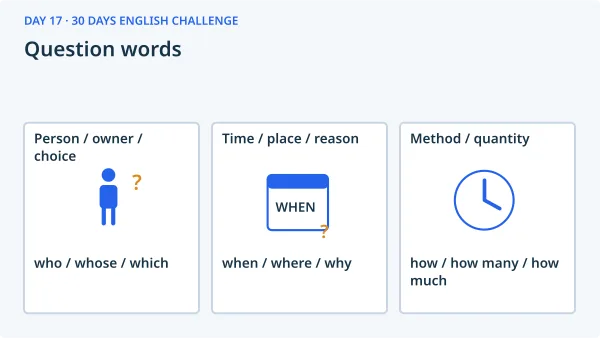
Day 17
English Question Words: Ask for the Right Information
Ask for the particular information you need and recognize a useful answer.
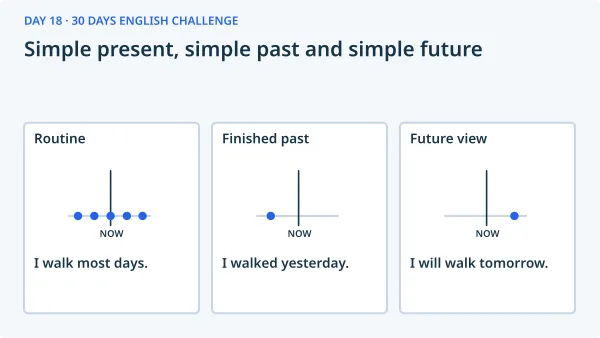
Day 18
Simple Tenses: Habits, the Past and the Future
Describe a routine, a finished event and a future prediction using one familiar activity.
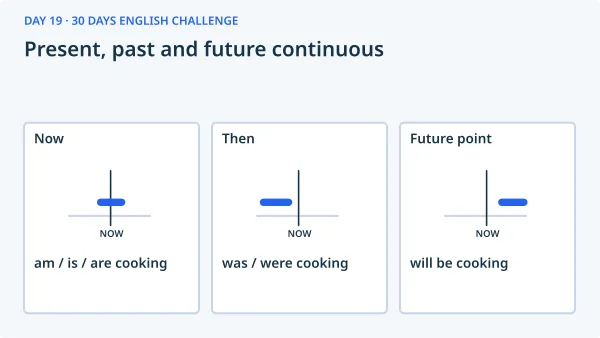
Day 19
Continuous Tenses: Describe Actions in Progress
Describe what is in progress around now, a past moment or a future moment.
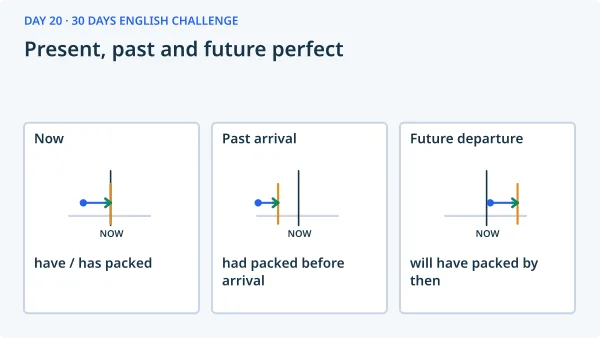
Day 20
Perfect Tenses: Present, Past and Future Explained
Talk about what has happened, what happened before a past event and what will be done by a future time.
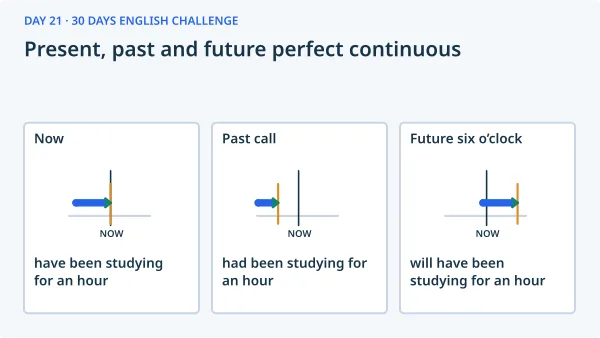
Day 21
Perfect Continuous Tenses: Explain How Long
Say how long an activity has continued up to now, a past time or a future time.
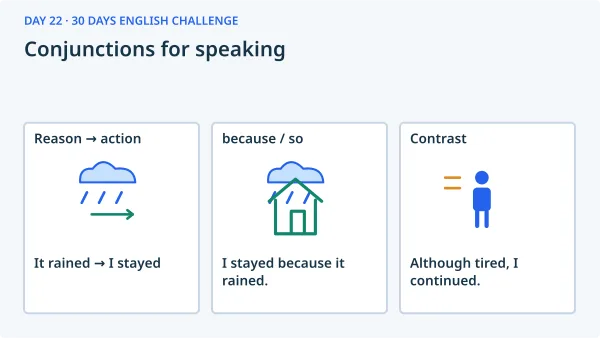
Day 22
English Conjunctions: Connect Ideas with And, But and Because
Connect short ideas so your listener understands addition, contrast, choice, reason and result.
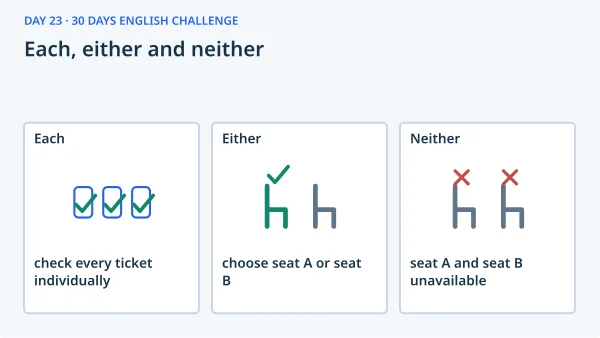
Day 23
Each, Either and Neither: Understand the Difference
Discuss people one by one and make choices between two alternatives.
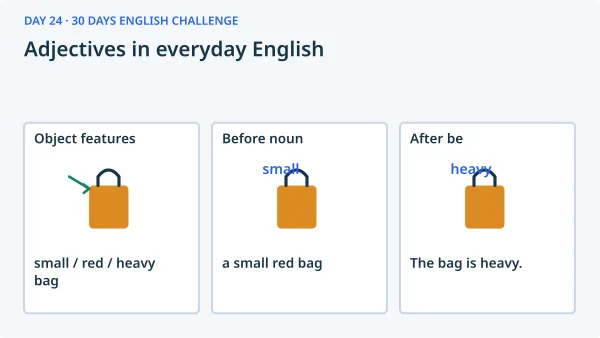
Day 24
English Adjectives: Describe People and Things Clearly
Describe people and things with clear, well-placed adjectives.
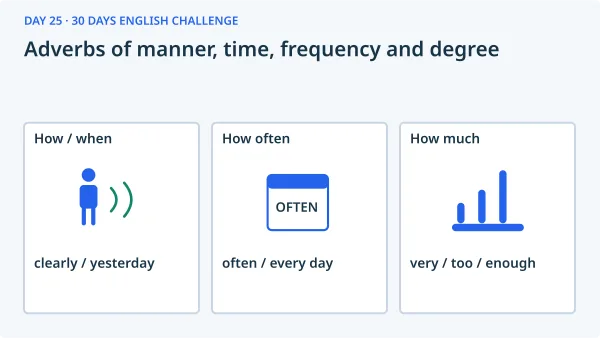
Day 25
English Adverbs: How, When, How Often and How Much
Explain how, when, how often and how much something happens.
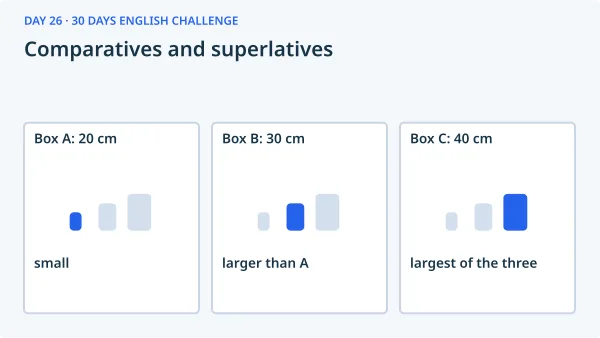
Day 26
Comparatives and Superlatives: Compare People and Things
Compare two things and choose the best option from a group.
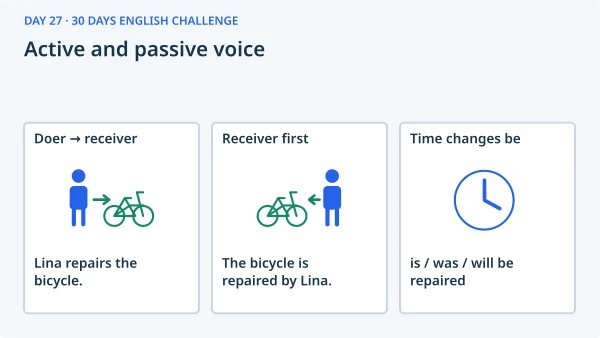
Day 27
Active and Passive Voice: Rules, Examples and Practice
Describe one event from the doer’s viewpoint or the receiver’s viewpoint.
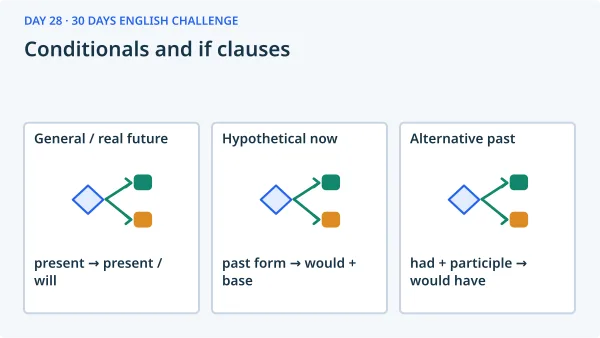
Day 28
English Conditionals: Real and Imagined Situations
Use if to explain possible results and imagine different situations.
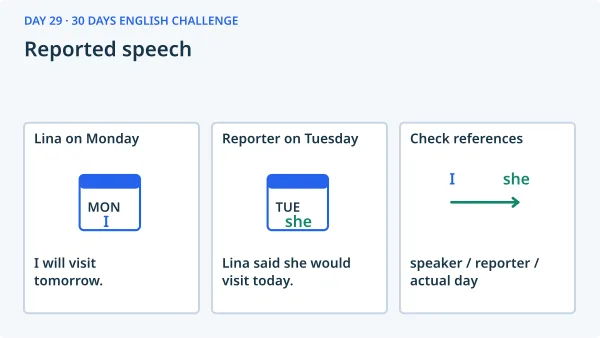
Day 29
Reported Speech: Share What Someone Said
Pass on a message while keeping people, time and question order clear.
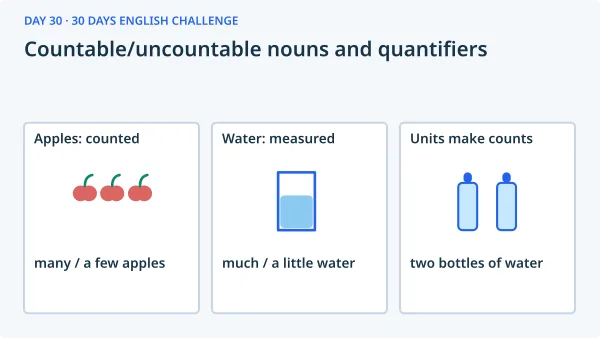
Day 30
Countable and Uncountable Nouns: Choose the Right Quantity
Describe useful amounts, make an offer and explain whether you have enough.