Basics
Day 10 · 30 Days English Challenge
Do, Does and Did: Ask Questions and Make Negatives
· 6 min read
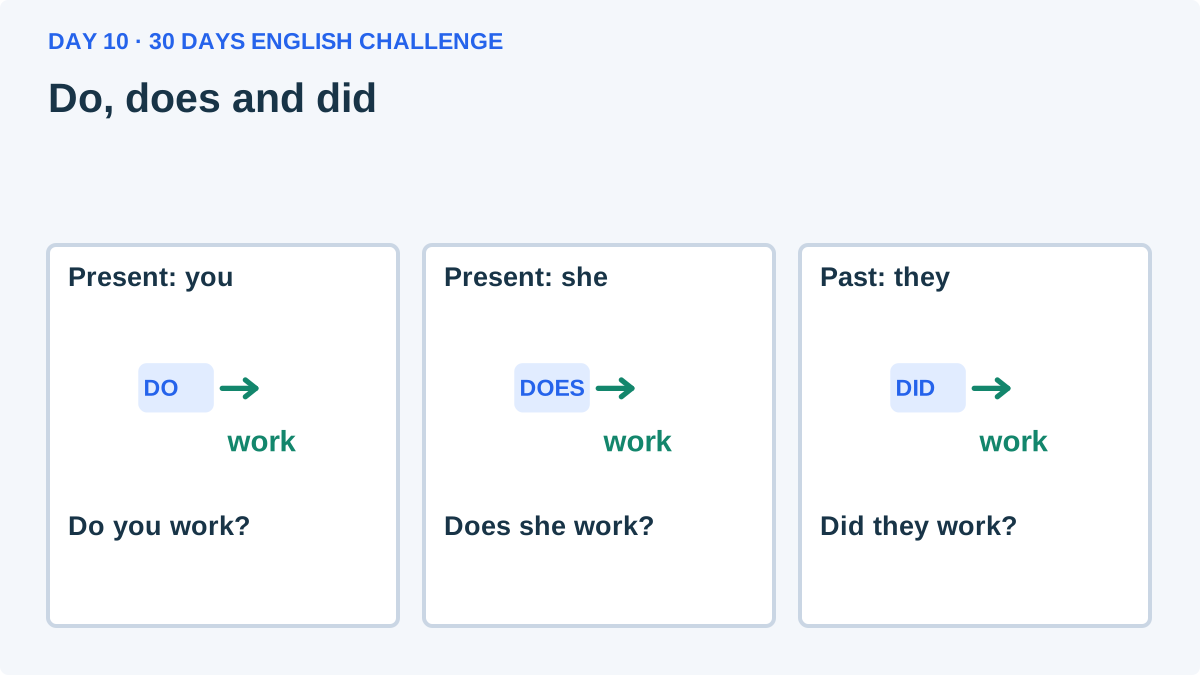
Day 10 speaking goal: Ask about routines and past events without adding an extra ending to the main verb.
Ask about everyday actions with do and does. Ask about past actions with did.
Jump to: Rules · Compare · Examples · Self-checks · Answers
10.1 Do and does: present questions
| Learn | Simple English |
|---|---|
| Rule | Use do with I, you, we and they. Use does with he, she, it or one named person. |
| Pattern | Do you work? Does she work? She does not work. |
| Example | Does Lina live nearby? Yes, she does. |
| Why | Use live after does, not lives. Does already shows the present pattern for she. |
10.2 Did: past questions
| Learn | Simple English |
|---|---|
| Rule | Use did for past questions with ordinary verbs. Use did not for negatives. The short form of did not is didn’t. |
| Pattern | Did + person + basic verb? Person + did not + basic verb. |
| Example | Did you go yesterday? I did not go. |
| Why | Use go after did, not went. Did already shows past time. |
10.3 Short answers and question words
| Learn | Simple English |
|---|---|
| Rule | Use do, does or did again in short answers. Put where, when or why before these words for more information. |
| Pattern | Yes, I do. No, she does not. Where did you go? |
| Example | Where does she work? She works at a school. |
| Why | Who called? is different: who is the subject, so this question does not need did. |
10.4 Do can mean an action
| Learn | Simple English |
|---|---|
| Rule | Do can also be the main verb. Then another do, does or did can help make the question. |
| Pattern | Do you do…? Does she do…? Did they do…? |
| Example | Did you do your homework? |
| Why | Did makes the question. Do names the action. Two forms of do are correct here. |
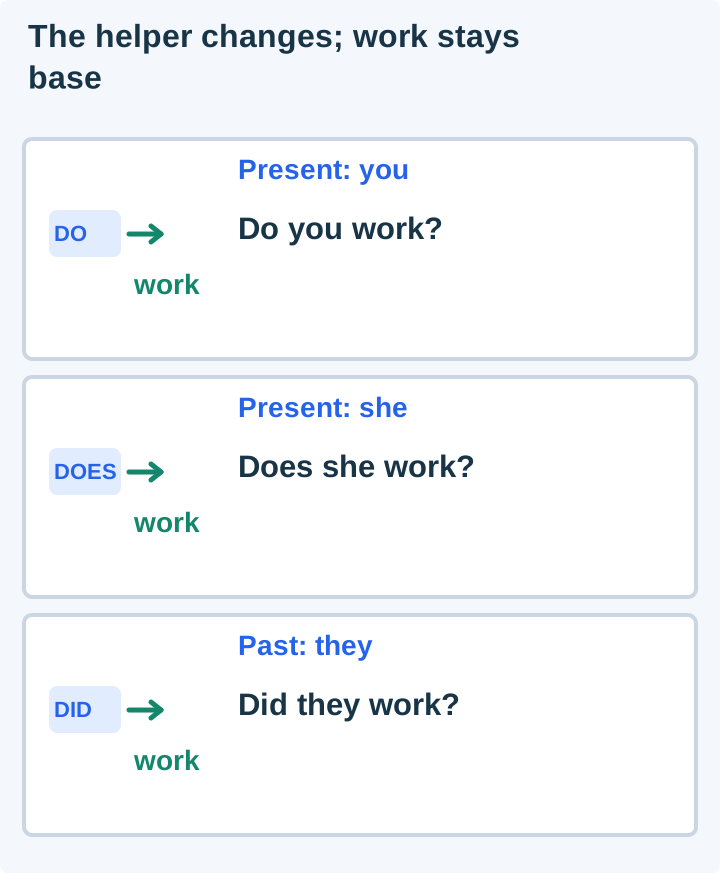
10.5 Compare the patterns side by side
| Time / subject | Question | Negative |
|---|---|---|
| Present I / you / we / they | Do you work? | We do not work. |
| Present he / she / it | Does she work? | She does not work. |
| Past: all these subjects | Did they work? | They did not work. |
10.6 Everyday examples: notice the meaning
Do you live nearby?
💡 Do asks about a present situation.
Does your friend live nearby?
💡 Does agrees with a singular noun subject.
We don’t live nearby.
💡 After don’t, use live, not lives.
She doesn’t live nearby.
💡 Doesn’t already matches he or she. Do not add -s to the next verb.
Do they like music?
💡 A plural subject uses do.
Does he like music?
💡 Like loses the statement -s.
Did you visit yesterday?
💡 Did marks a past question.
Did she visit yesterday?
💡 Did works with she too.
I didn’t visit yesterday.
💡 After didn’t, use visit, not visited.
They didn’t go home early.
💡 After didn’t, use go, not went.
When did you arrive?
💡 A time word precedes did.
Where does she work?
💡 A place word precedes does.
Who called you?
💡 Who asks for the subject without ordinary do support.
Yes, I do.
💡 A short present answer repeats do.
No, she didn’t.
💡 A short past answer repeats did.
I do the shopping.
💡 Do is a main activity verb.
Does she do the shopping?
💡 Auxiliary does and main do have separate jobs.
Did you do the cleaning?
💡 Did supports the past question; do names the task.
10.7 Common mistakes and why
❌ Does she works here?
✅ Does she work here?
After does, use work, not works.
❌ Did they went home?
✅ Did they go home?
Did already marks the past.
❌ Do you are ready?
✅ Are you ready?
Be forms its own question here.
10.8 Try it yourself
Step 1: Ask about a friend’s routine using does.
Step 2: Ask about yesterday using did.
Step 3: Give a short answer, then add one detail.
10.9 Five self-checks
Choose A or B for each question. Read the answers below after you finish.
1. Which question is correct?
A. Does Ravi lives here?
B. Does Ravi live here?
2. Say that they did not go home. Which sentence is correct?
A. They did not go home.
B. They did not went home.
3. Ask about your friend’s workplace. Which question is correct?
A. Where does your friend work?
B. Where your friend works?
4. In “I do the cooking,” what does “do” mean?
A. It only helps another verb make a question.
B. It means I perform the cooking task.
5. Someone called, but you do not know who. Which question asks who made the call?
A. Who did called?
B. Who called?
Self-check answers and explanations
1. B — Does Ravi live here?
💡 After does, use live, not lives.
2. A — They did not go home.
💡 Did not already shows past time. Use go after it.
3. A — Where does your friend work?
💡 Put does before your friend. Use work after it.
4. B — It means I perform the cooking task.
💡 Do names the action here. The sentence is a statement, not a question.
5. B — Who called?
💡 Who does the calling in this question. You do not need did here.
10.10 Remember these points
Present: Do you…? Does she…?
Past: Did you…?
After do, does or did, use the basic verb form.
Review any self-check you missed. Then say three examples aloud without looking.
Further reading: question word order · past simple tense
Grammar references: Cambridge: Do as a main and helping verb